
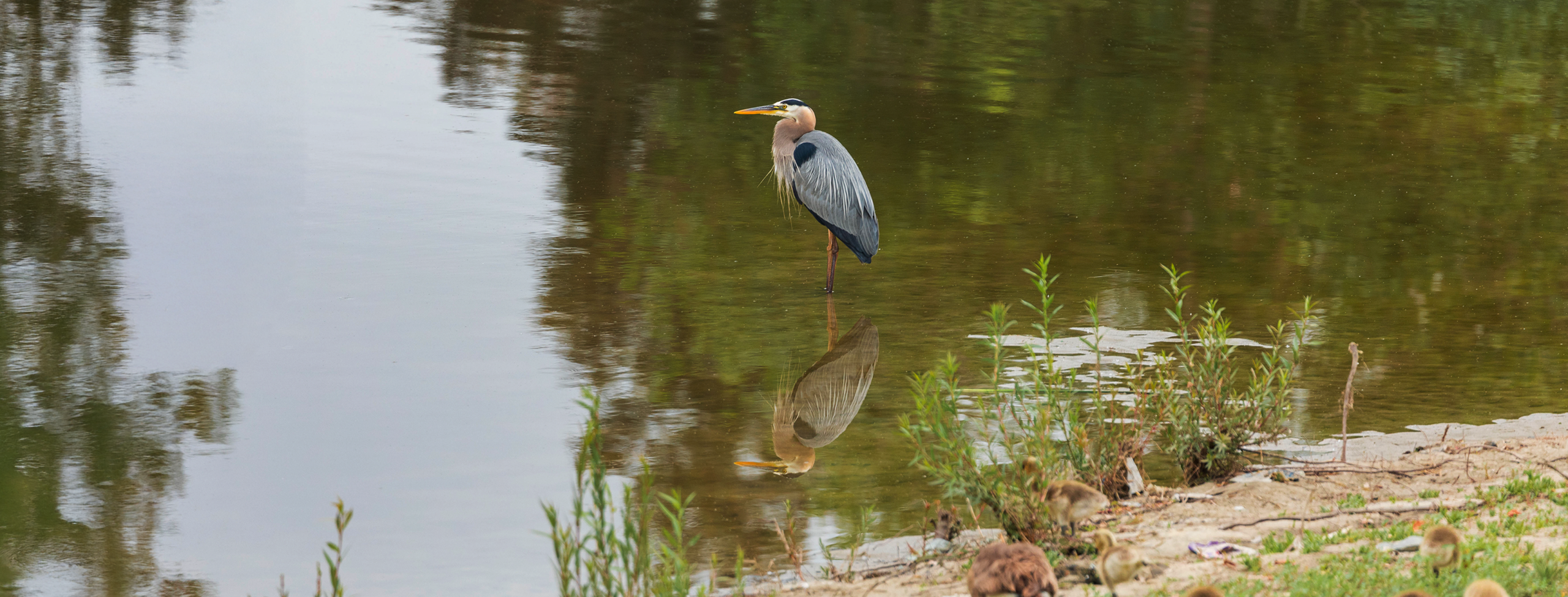
Orange County is home to a variety of native habitats including upland California sage scrub, chaparral, grasslands, oak woodlands, riparian forest and scrub, wetlands, freshwater marsh, intertidal brackish marsh, and non-tidal brackish marsh.
As of 2025 Orange County is the third most populous (3,235,775) of the 58 California Counties but ranks 47th in land area (948 Sq. mi. total 799 sq. mi. terrestrial/157 sq. mi. aquatic).
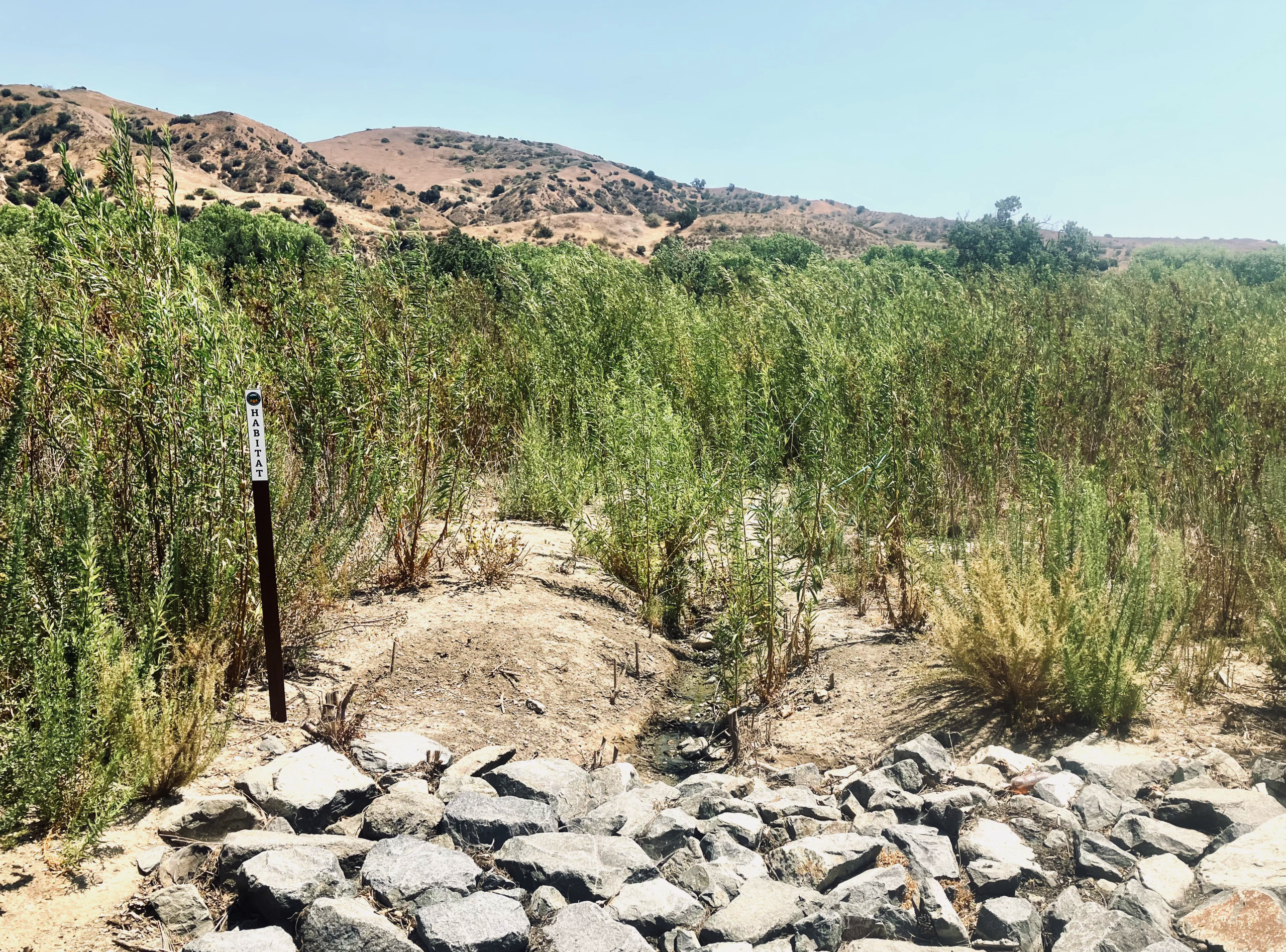
It is the second densest with 3,989 residents per sq. mi. (2023). Although land is set aside for open space with 37,000 acres dedicated to the Central Coastal Natural Community Conservation Plan/Habitat Conservation Plan (Central Coastal NCCP/HCP) alone, these areas tend to be inland at higher elevation with most coastal areas already developed resulting in some critical habitat areas now a fraction of the former range. Further, due to the amount of development and historical agricultural practices within the County, the majority of aquatic resources present have been significantly modified either by direct channelization and/or by greater hydrologic inputs caused by increased impervious cover, urban discharges, and higher pollutant loads from urban development.
The four primary plant communities that we work to restore include riparian, coastal sage scrub, freshwater wetland and salt marsh. These plant communities are described below, with specific examples of OCPW’s mitigation sites highlighted on each story maps.
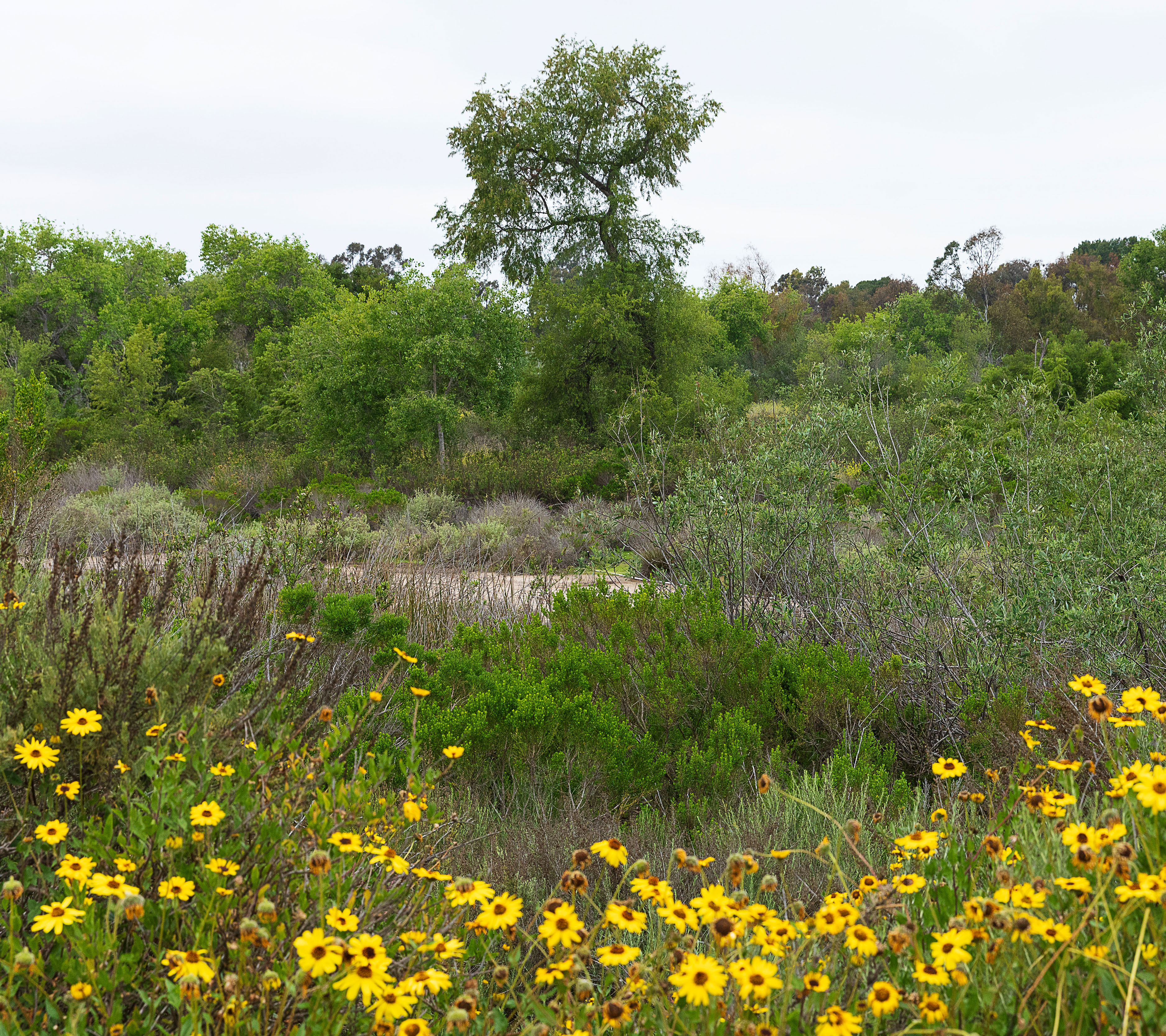
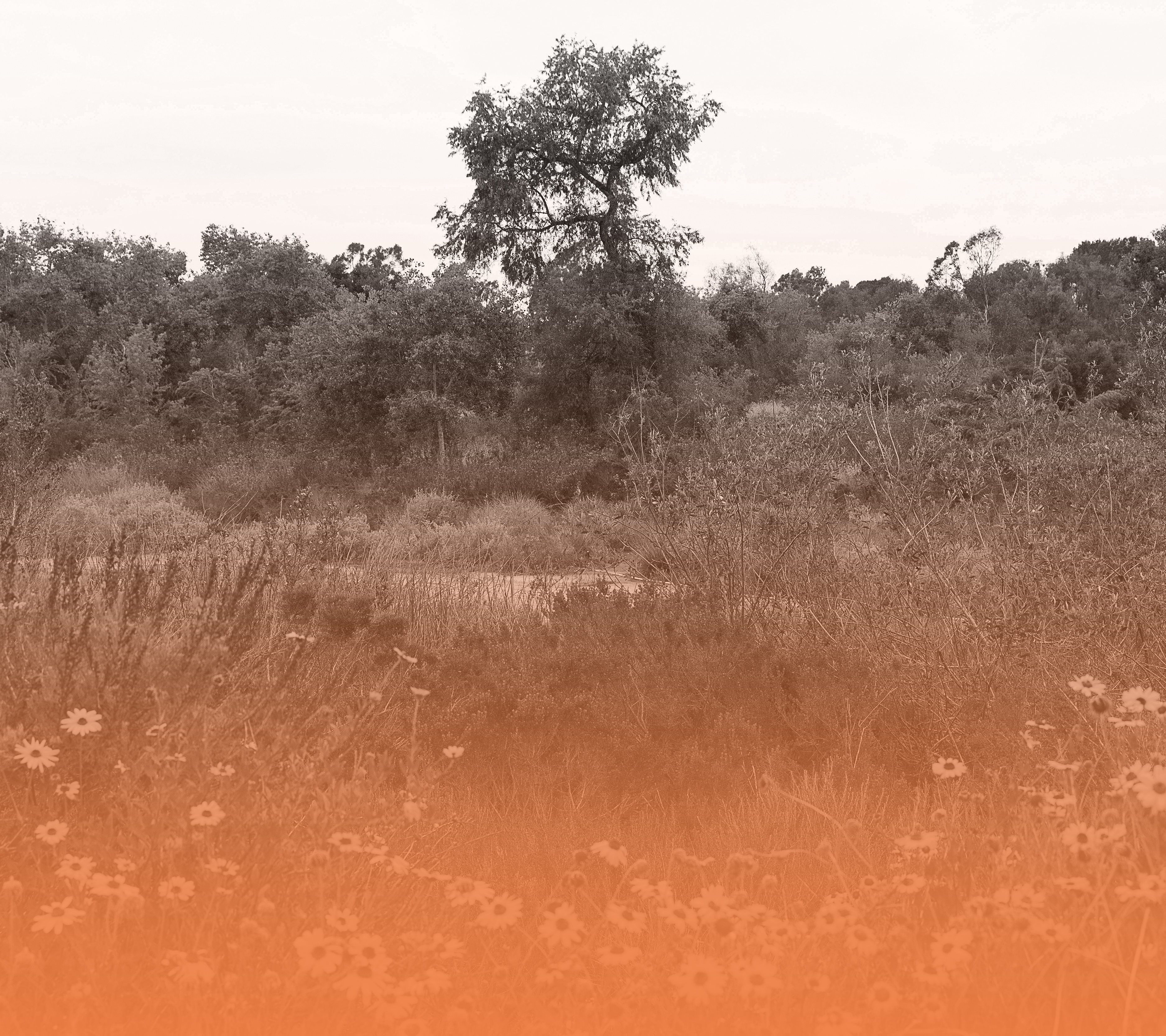
Riparian habitats are lush, densely vegetated ecosystems found along the edges of streams, rivers, and lakes. These areas rely on consistent access to water—either perennial or intermittent—and typically serve as transitional zones between wetlands and upland habitats.
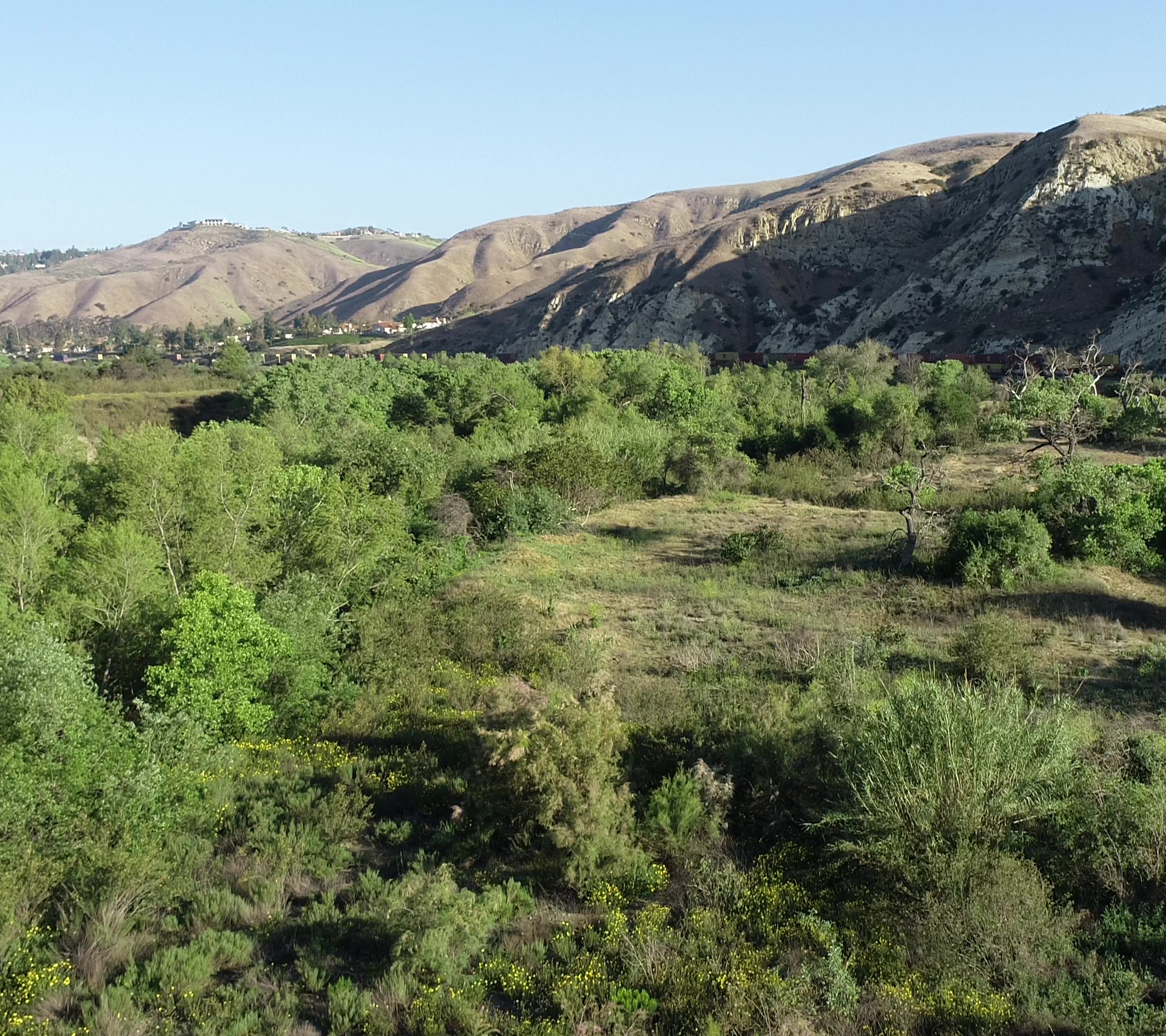
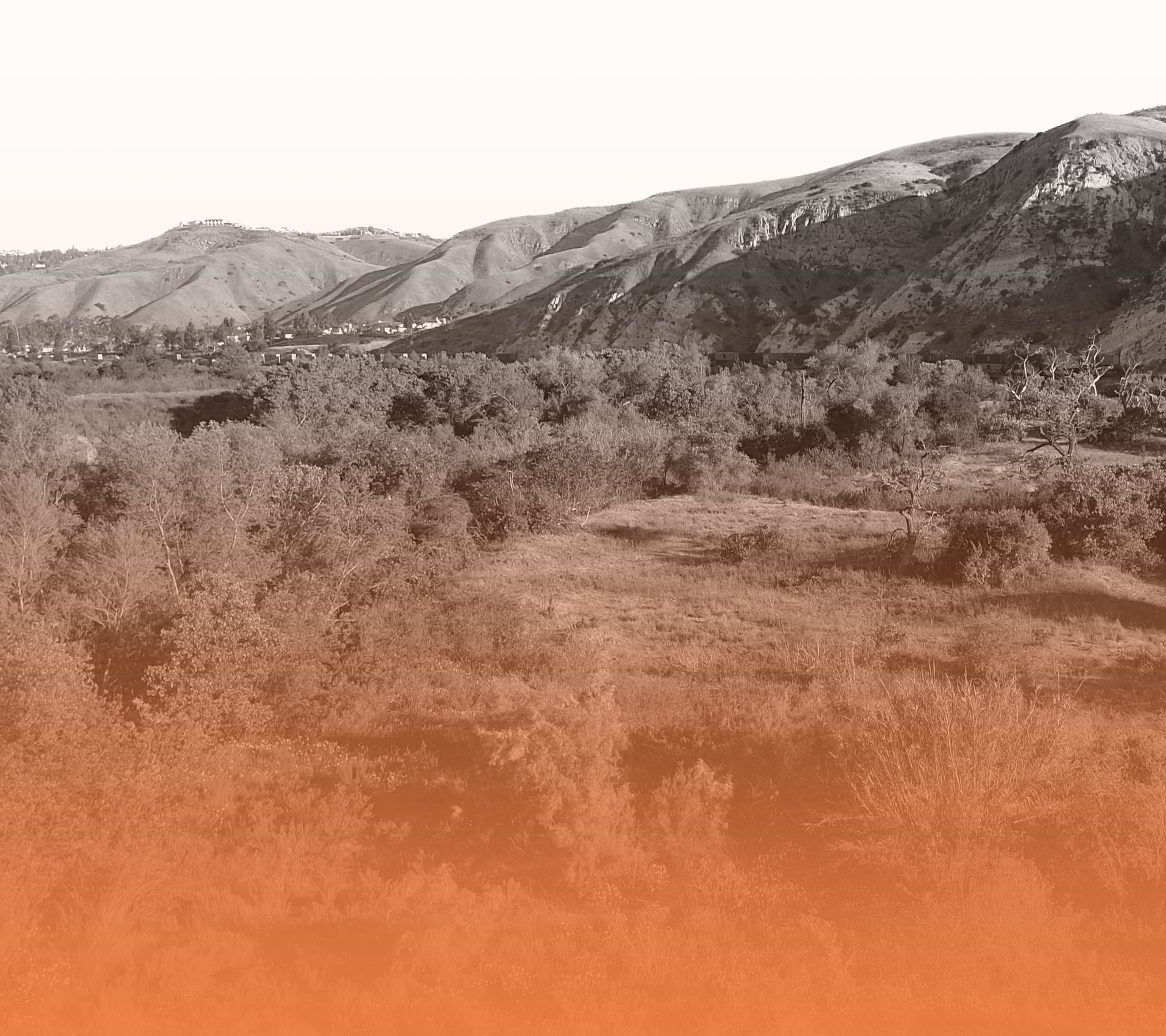
Coastal sage scrub is a distinctive plant community typically found on xeric (dry) sites, especially steep, south-facing slopes with thin or rocky soils. It also occurs on exposed sea bluffs, coastal and river terraces composed of coarse alluvial outwash, and coastal dunes.
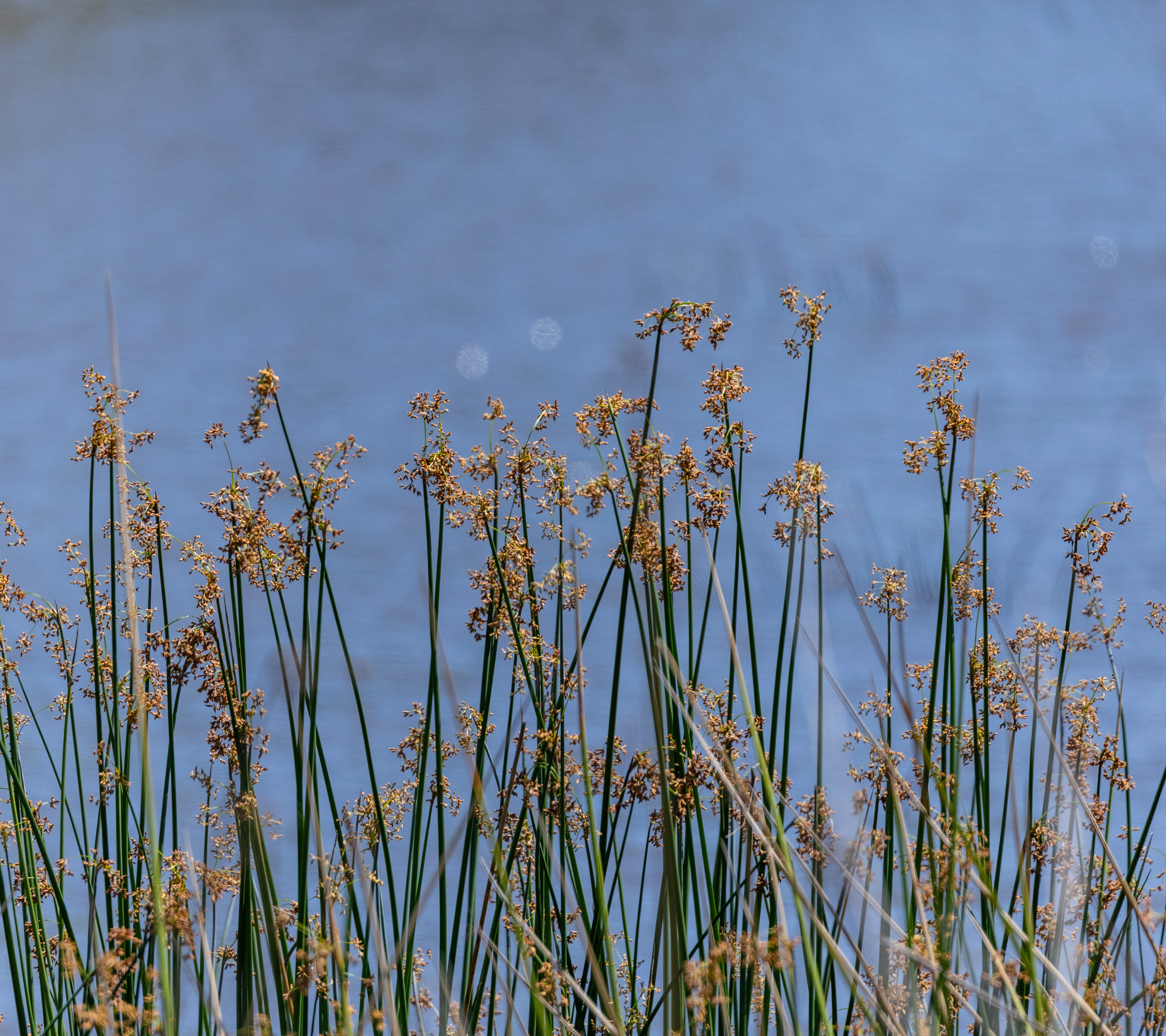
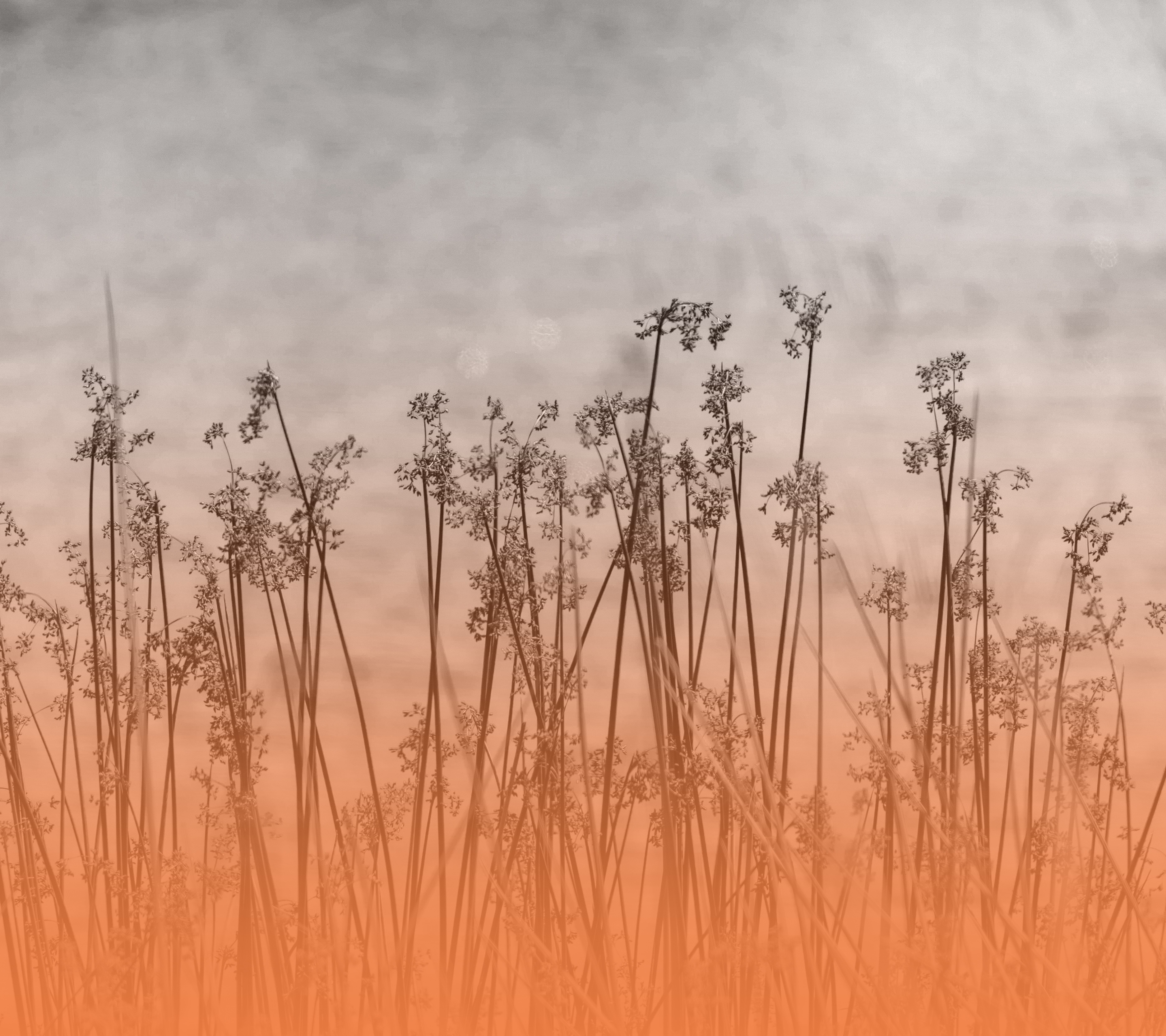
Wetlands are transitional areas between terrestrial and deepwater habitats where the water table is typically at/near the surface, or the land is covered by shallow water. These ecosystems (vegetated/non-vegetated) are classified based on their hydrology, vegetation, and substrate.
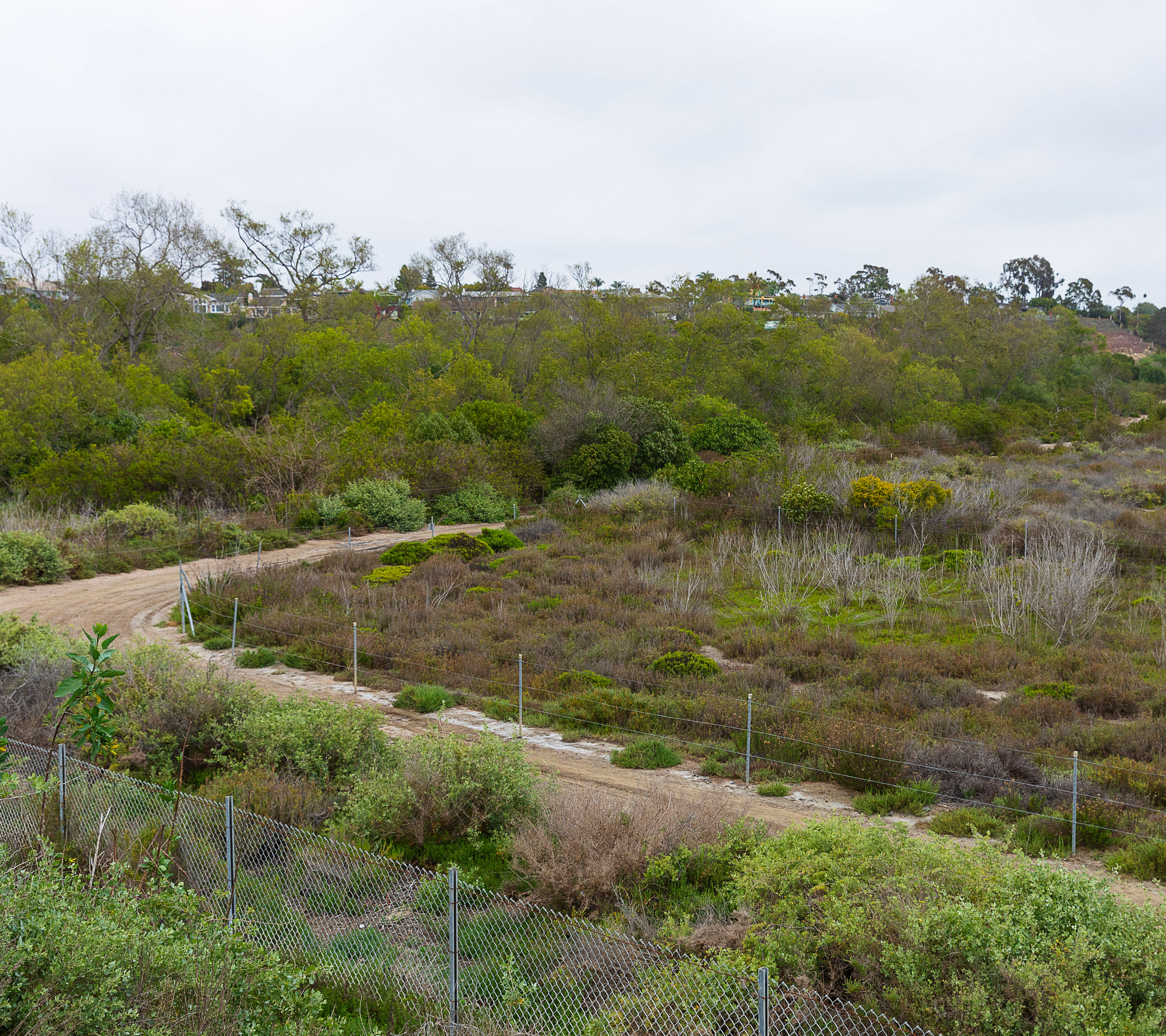
Salt marshes are coastal wetlands that are regularly flooded by tides and have saline soils. The plants that thrive here are called halophytes—species specially adapted to salty, low-oxygen environments.