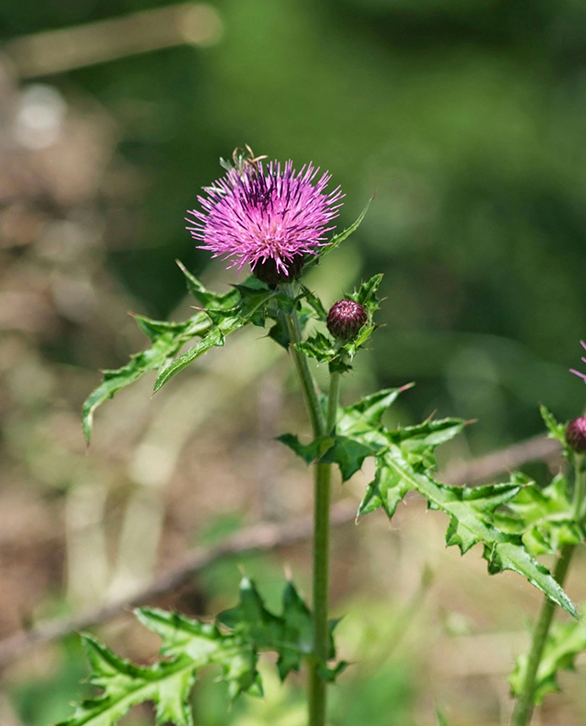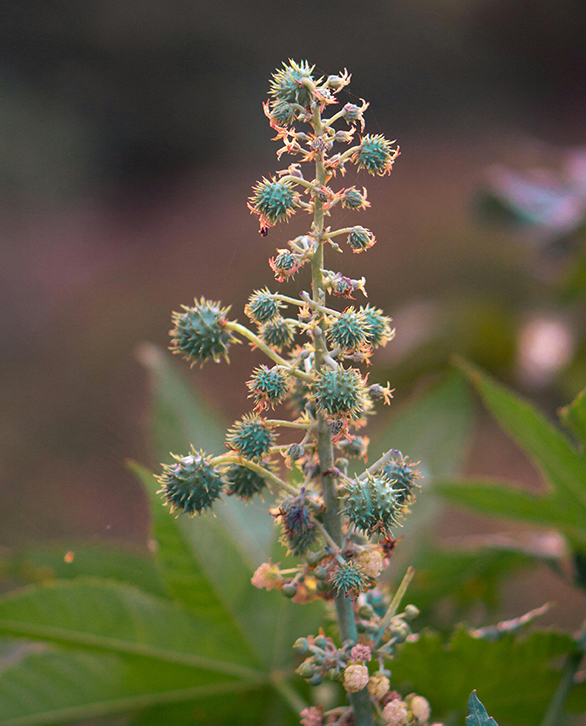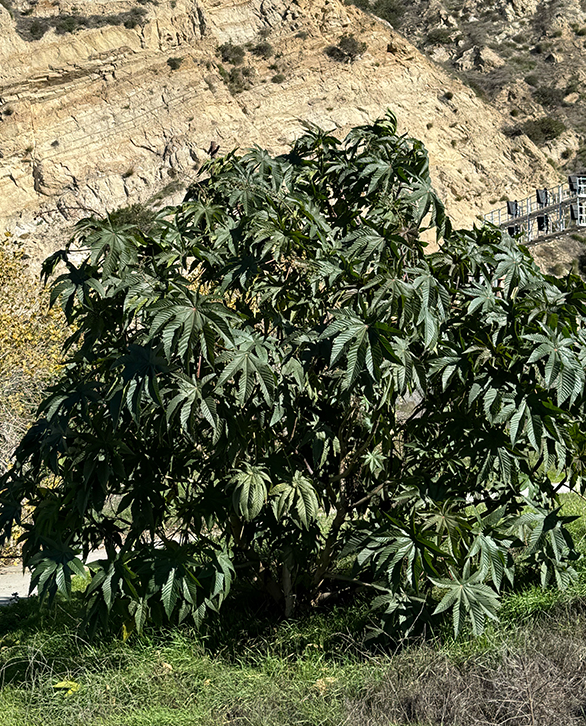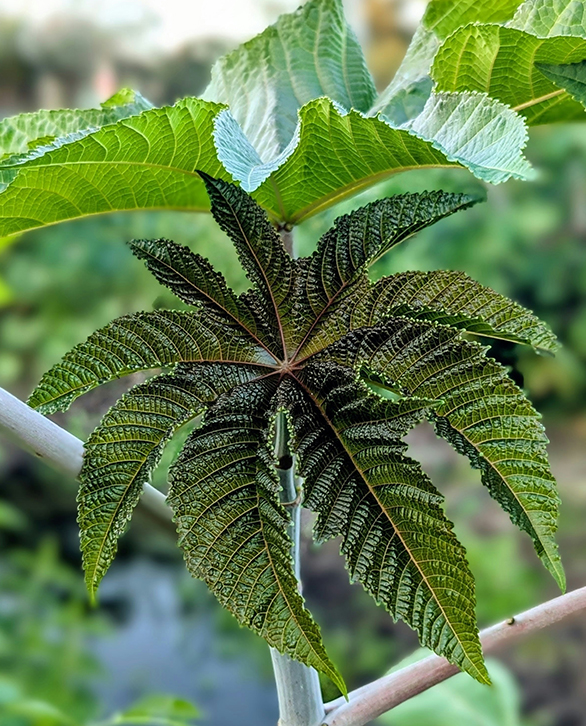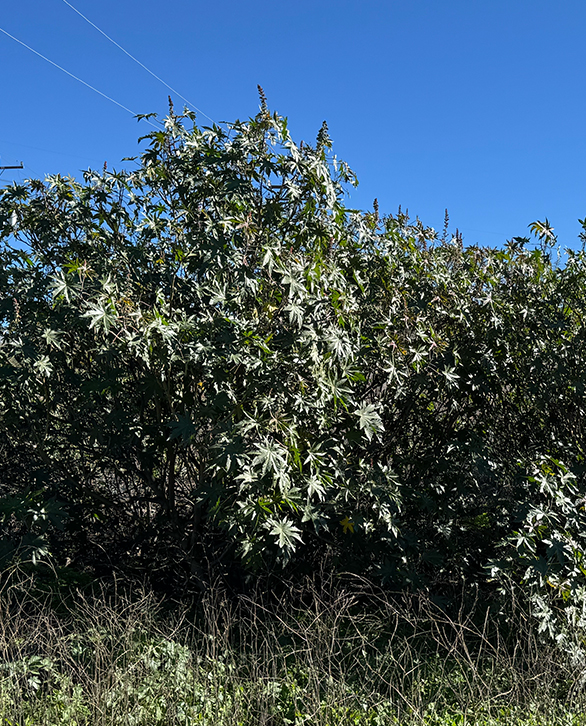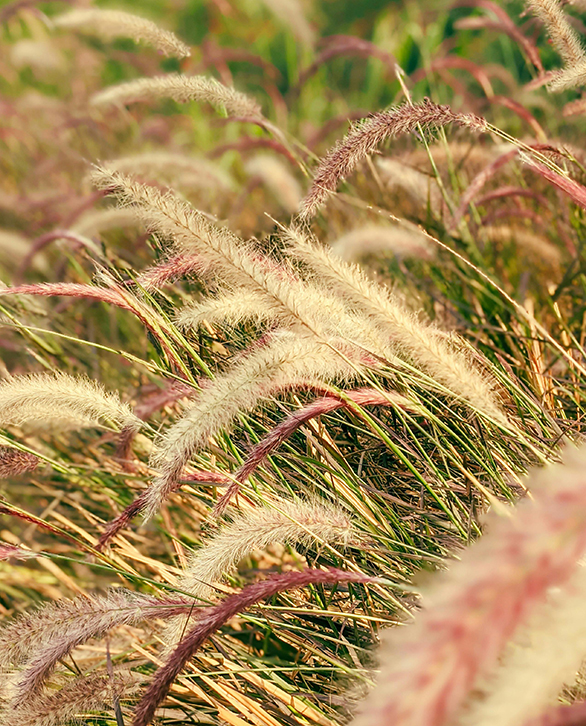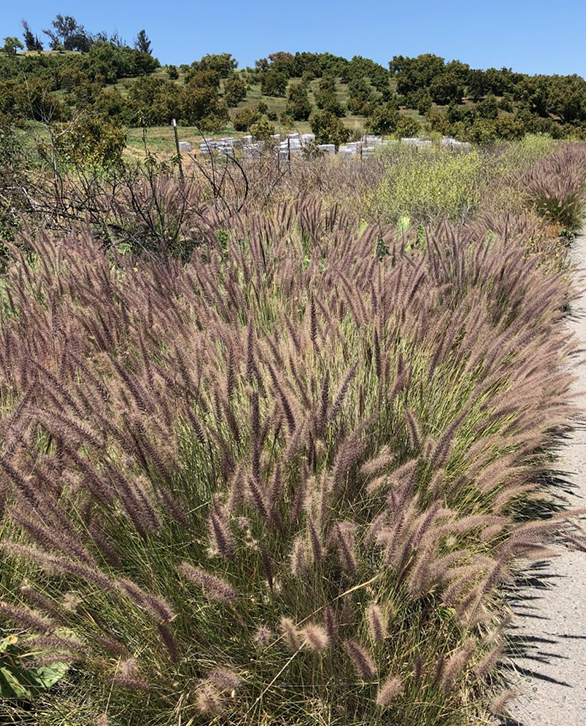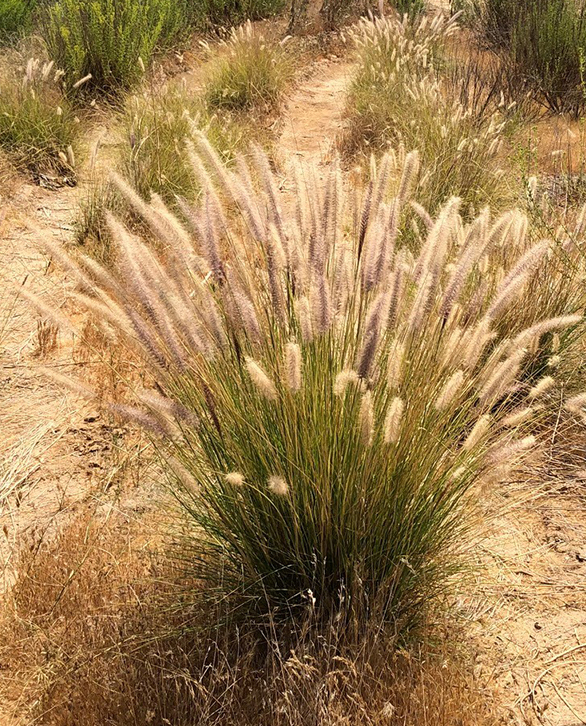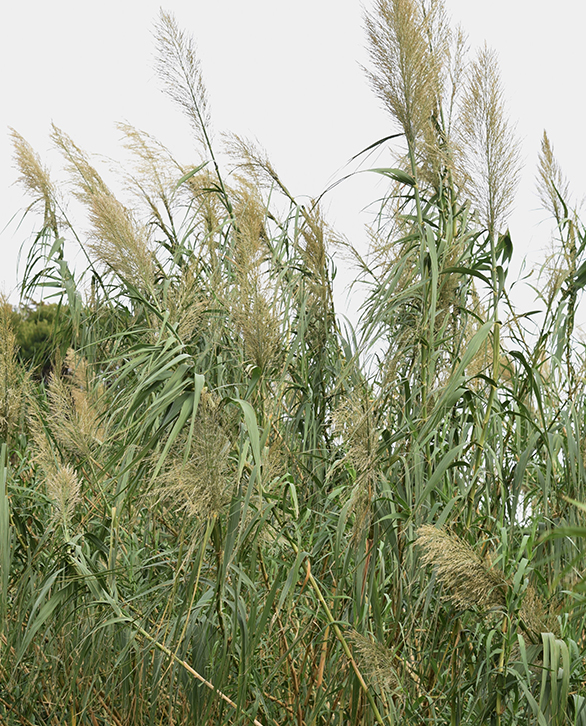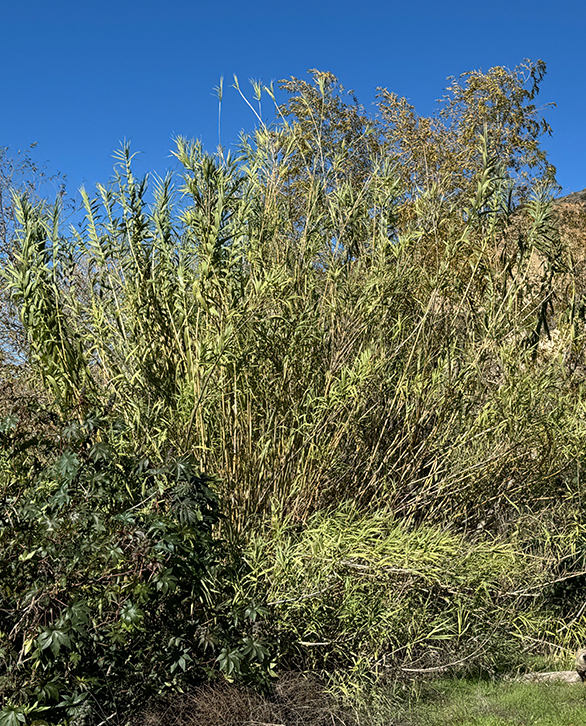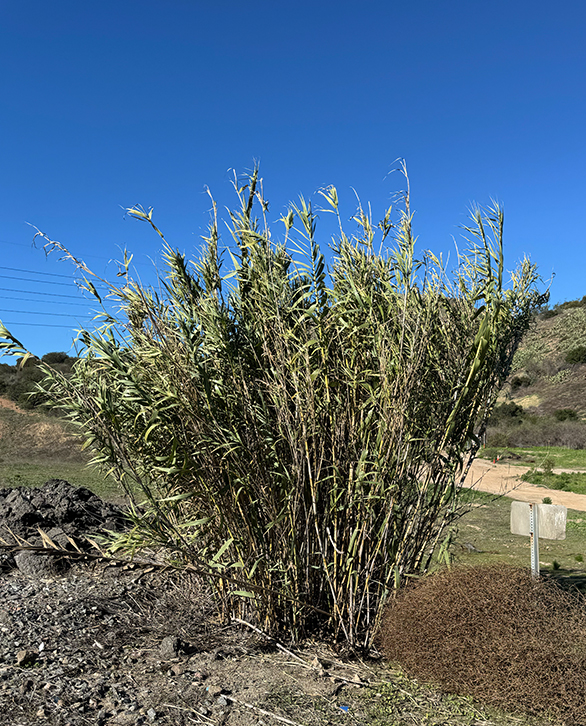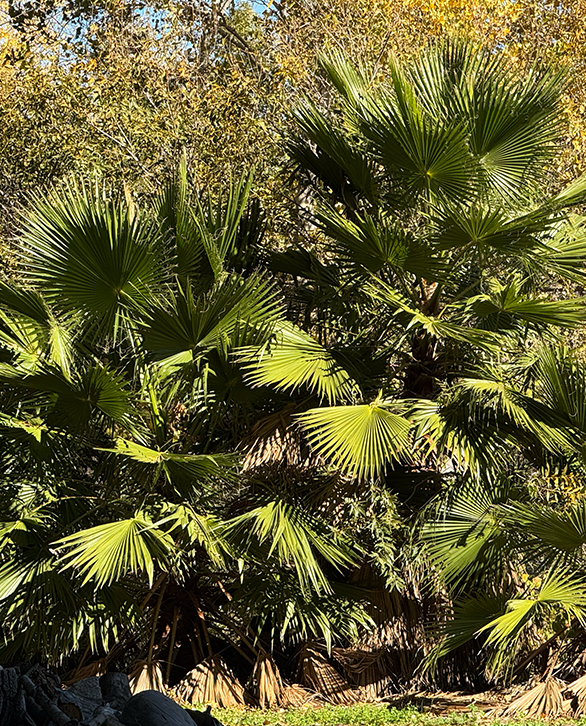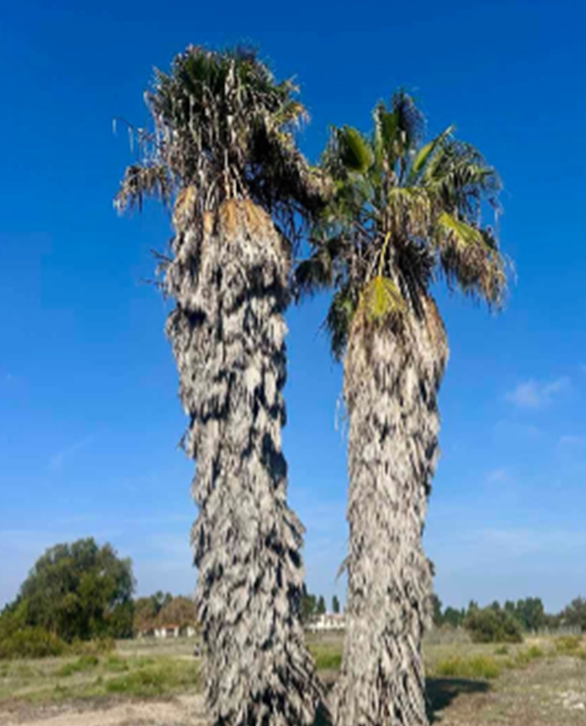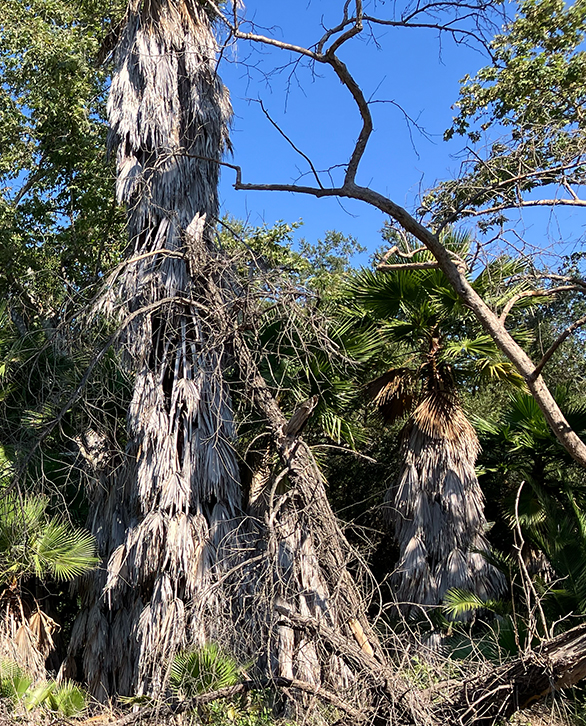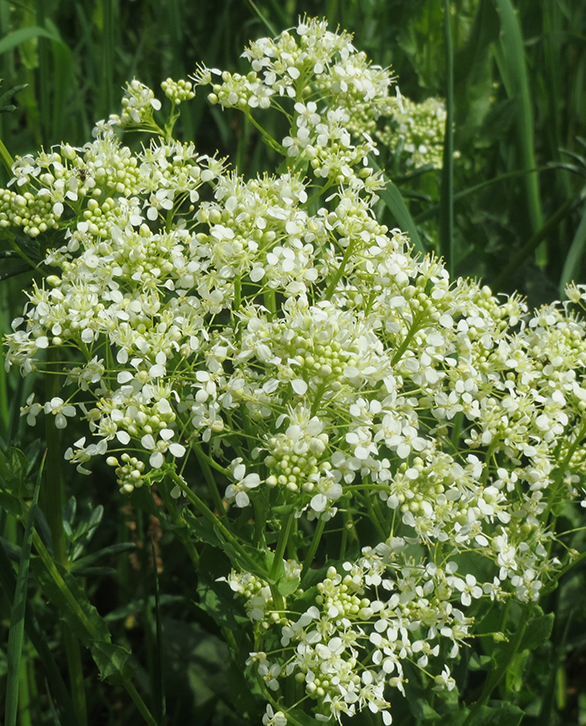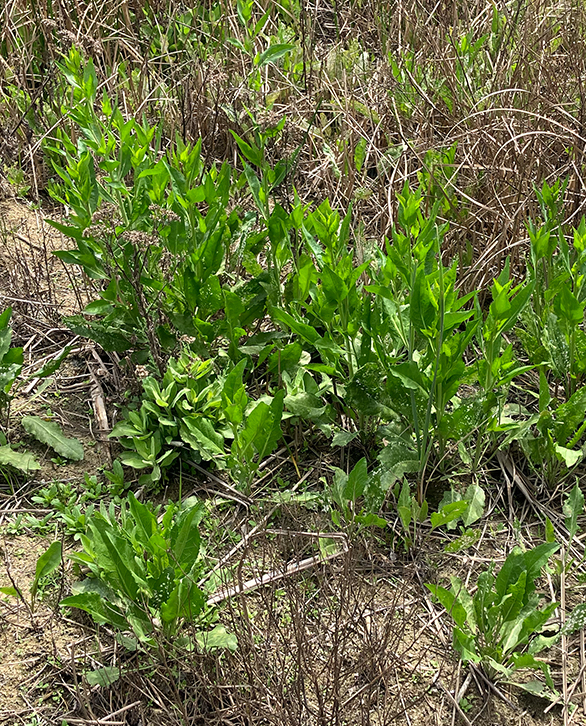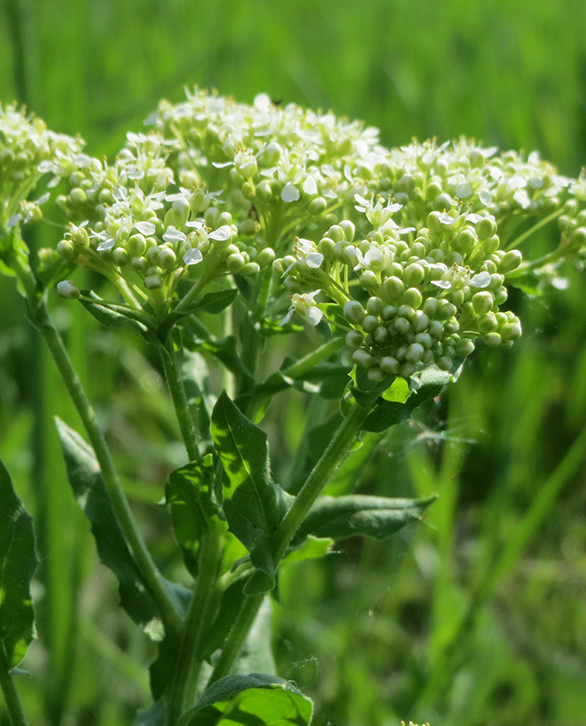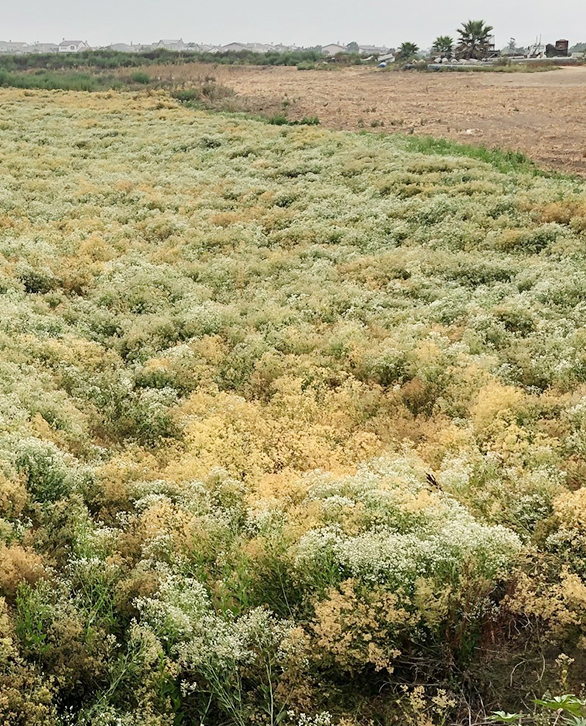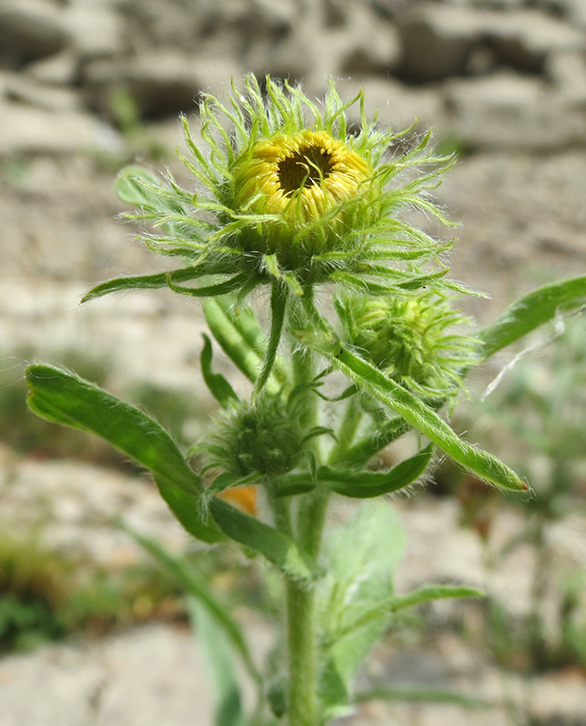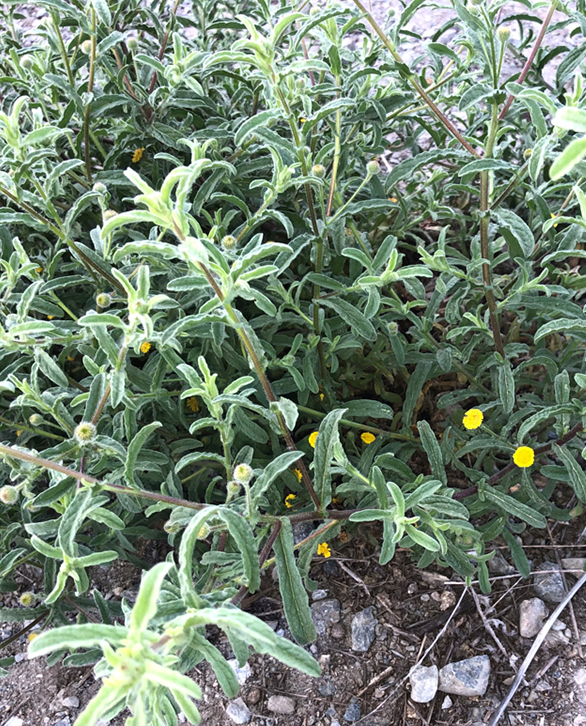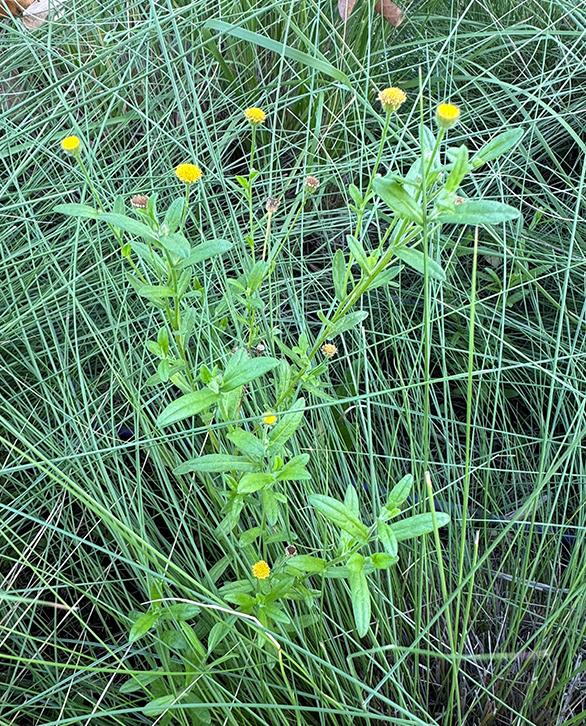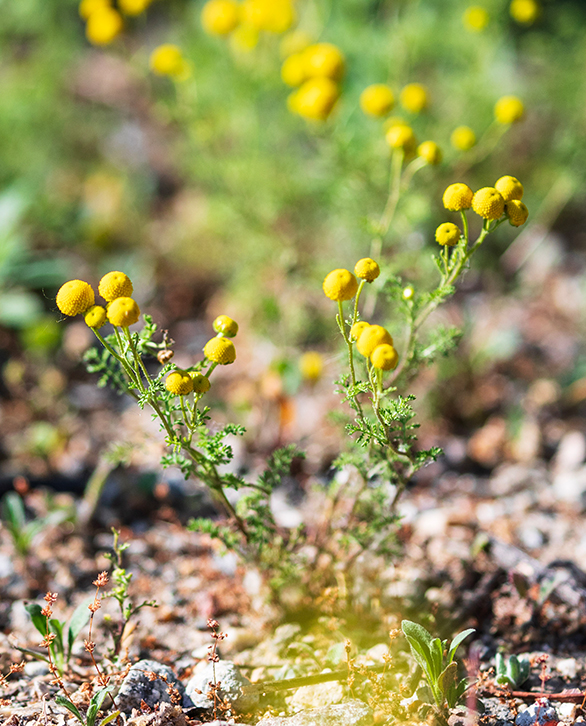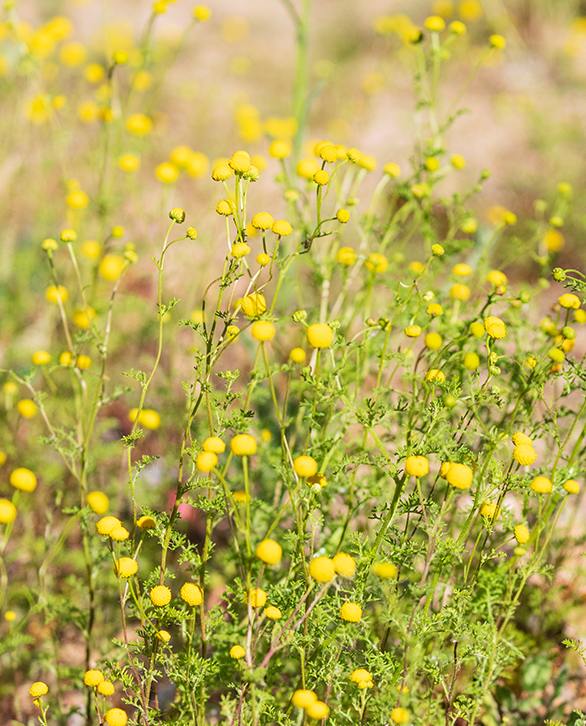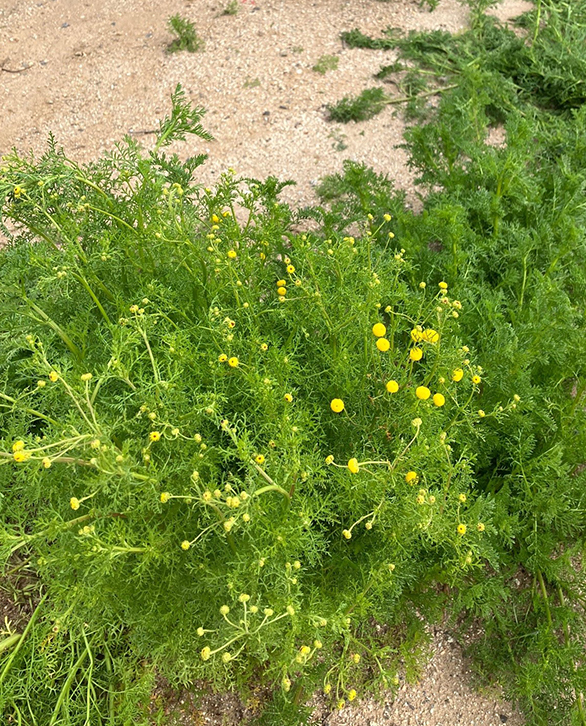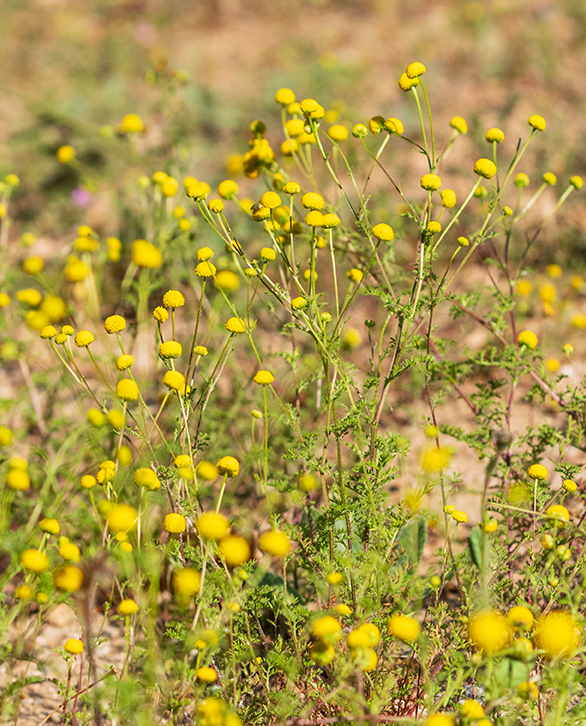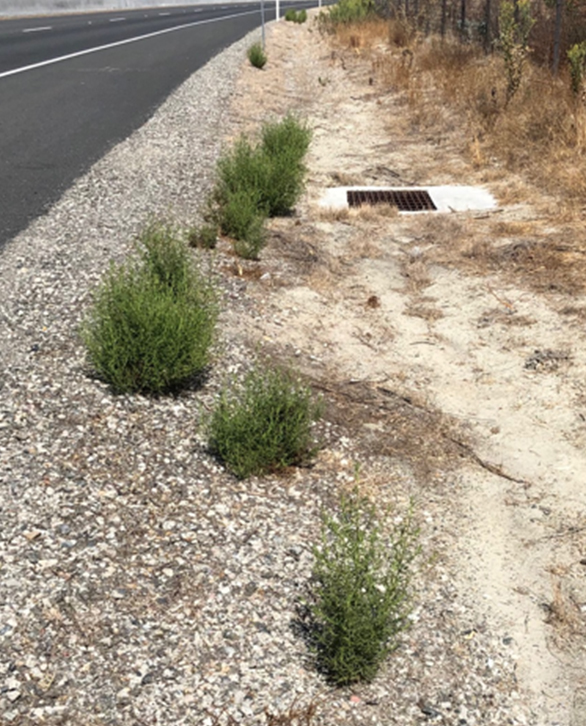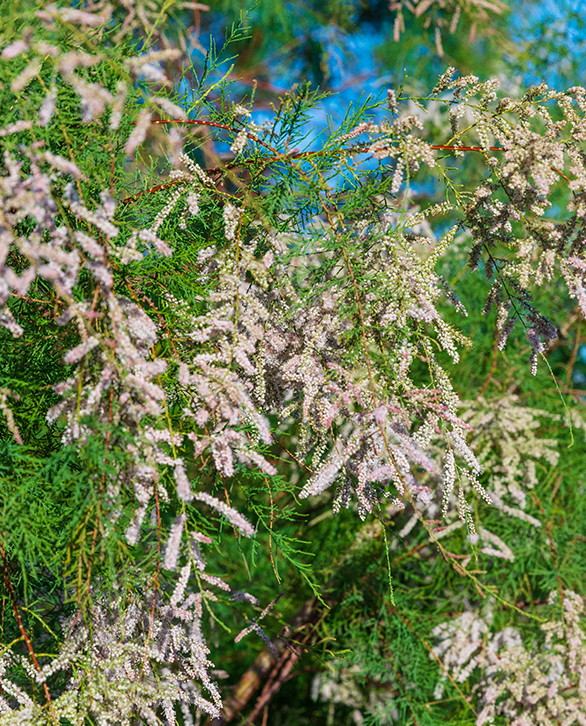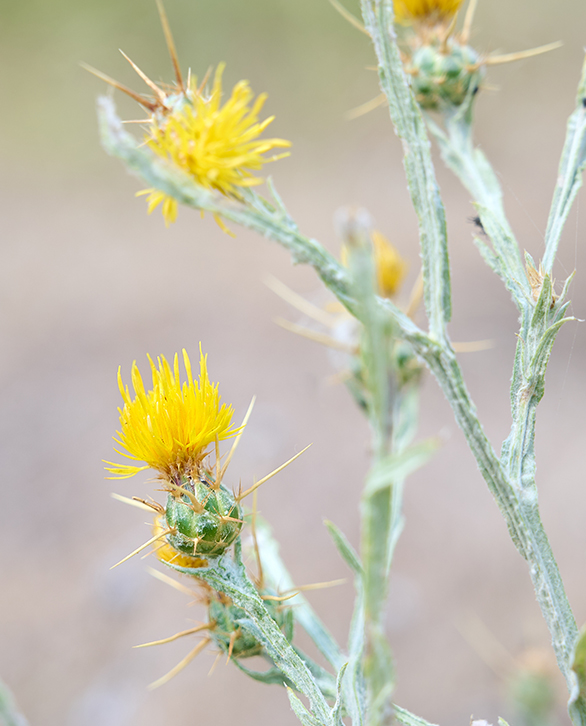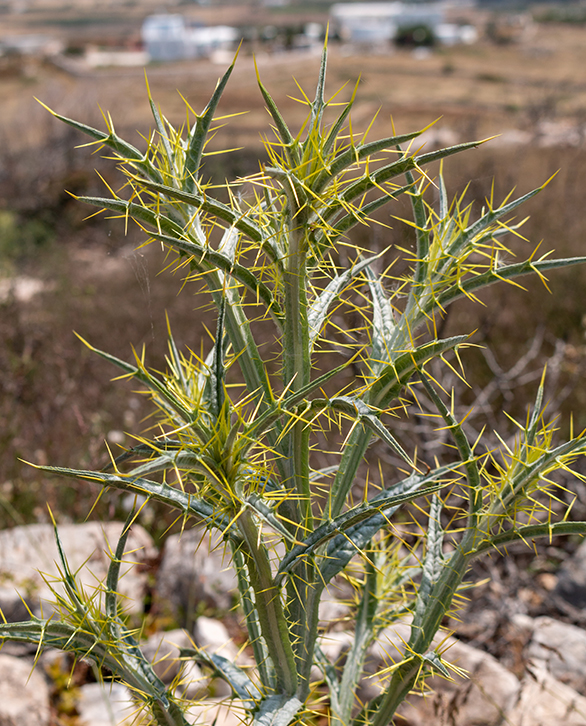

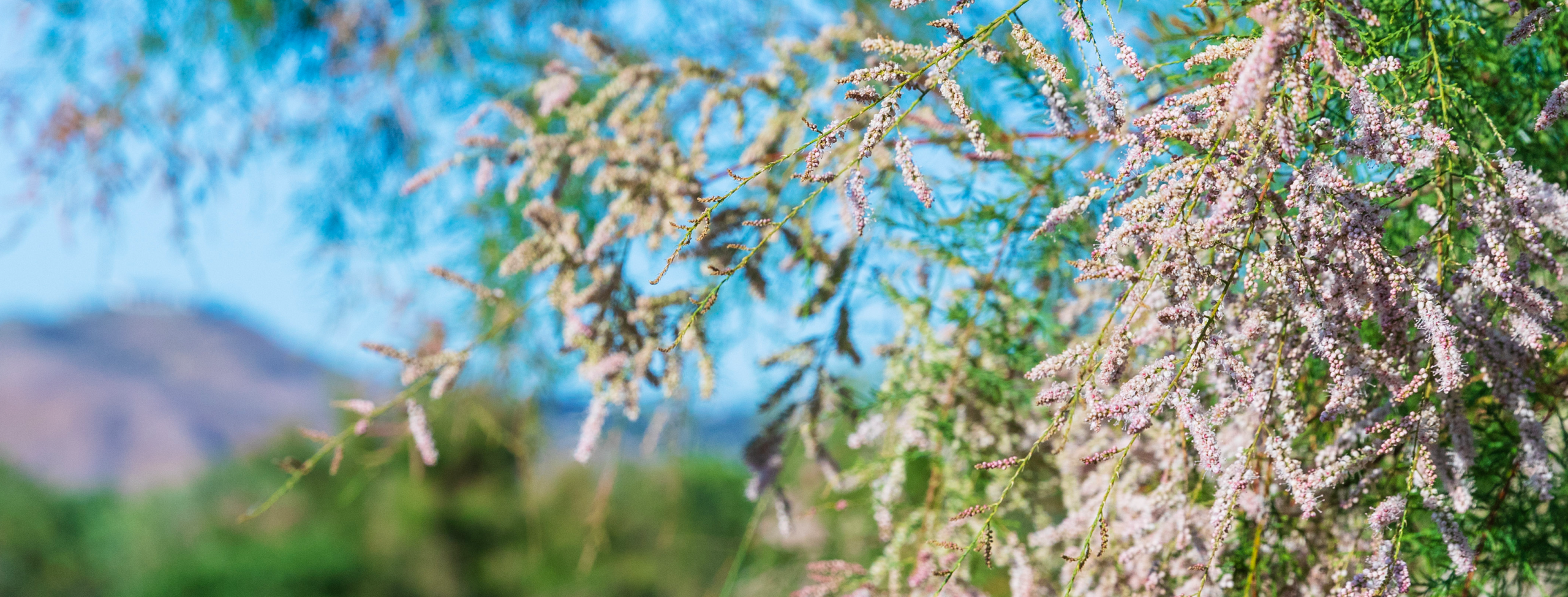
The California Invasive Plant Council (Cal-IPC) defines invasive plants as plants that are not native to an environment, and once introduced, they establish, quickly reproduce and spread, and cause harm to the environment, economy, or human health.
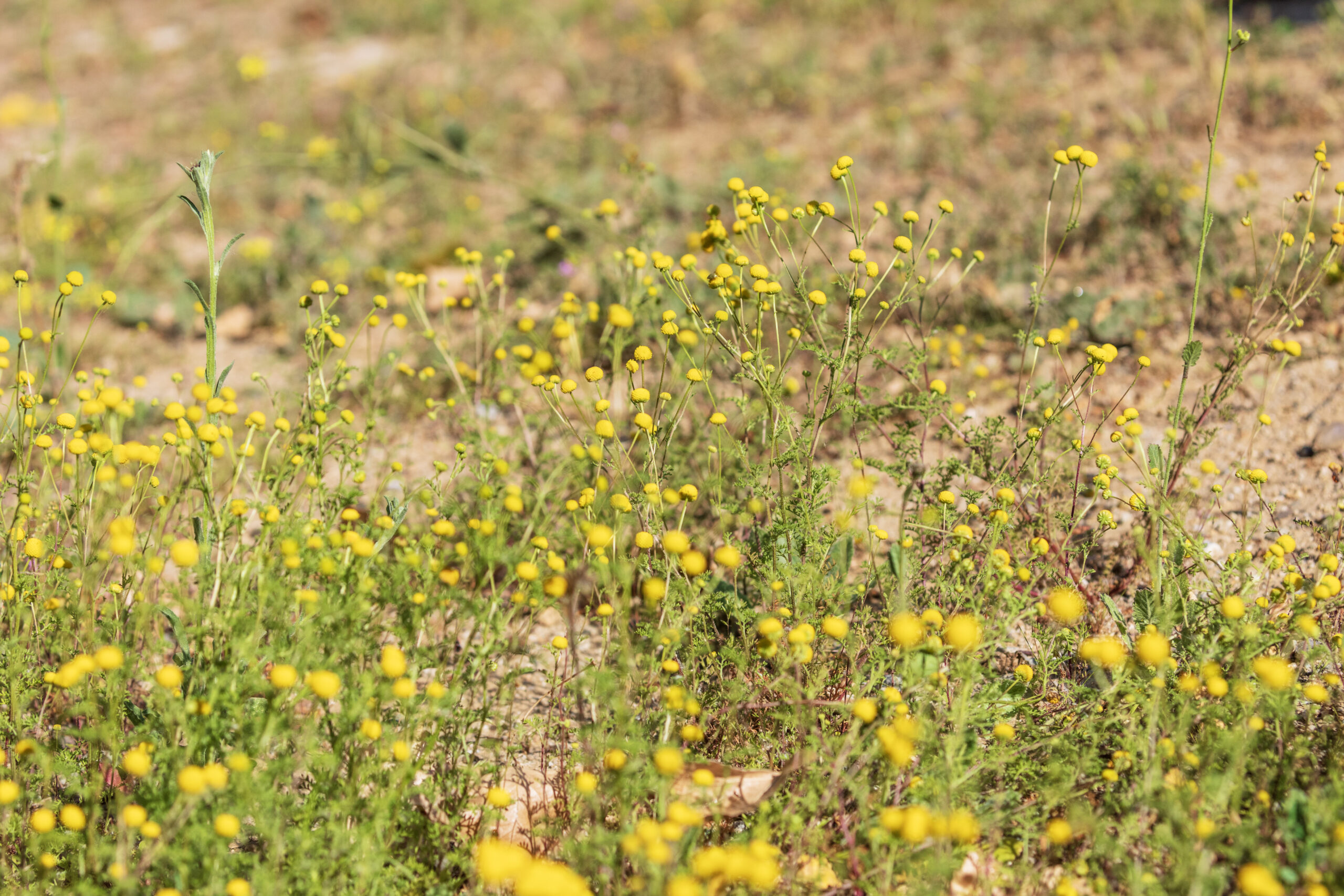
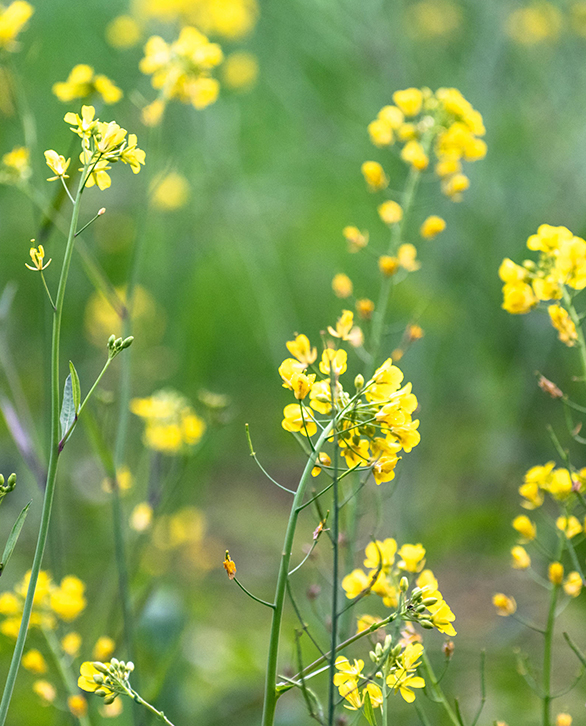
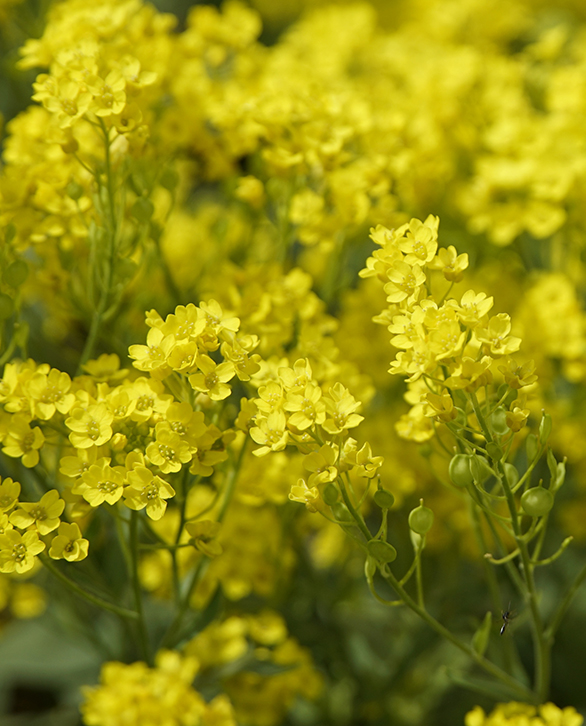
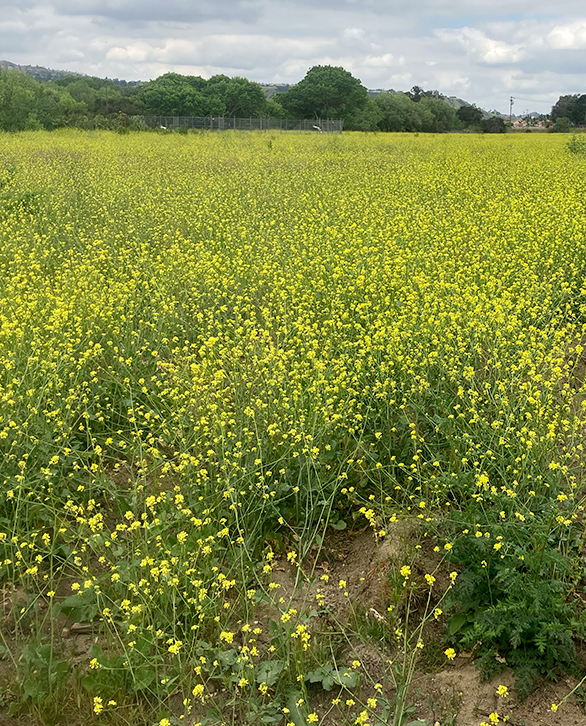
One objective of the OCPW Mitigation program is to restore our County’s natural habitats to self-sustaining native ecosystems; however, if invasive plants are allowed to persist, they can outcompete native species for resources, such as sunlight, water and nutrients. This competition can lead to habitat conversion, reducing the acres of habitat available to support special status wildlife species and important pollinators. Invasive plant species can also contribute to increased fire risk. For example, what may appear as a beautiful yellow blanket of “wildflowers” on a hillside in the spring, is actually a monoculture of mustard that will soon dry up and provide quick burning fuel for a fire in the presence of a spark or lightening strike.
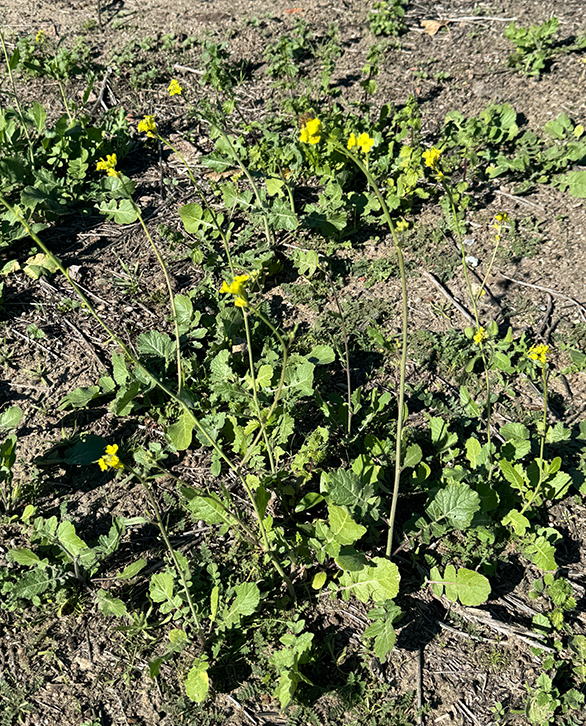
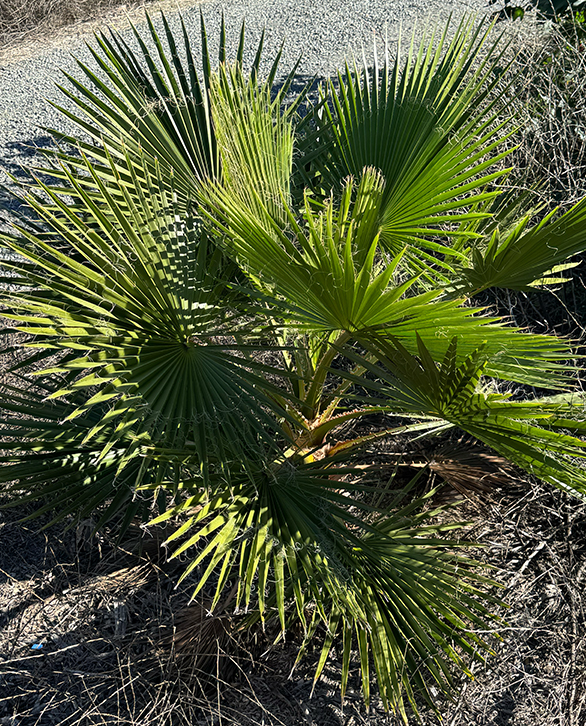
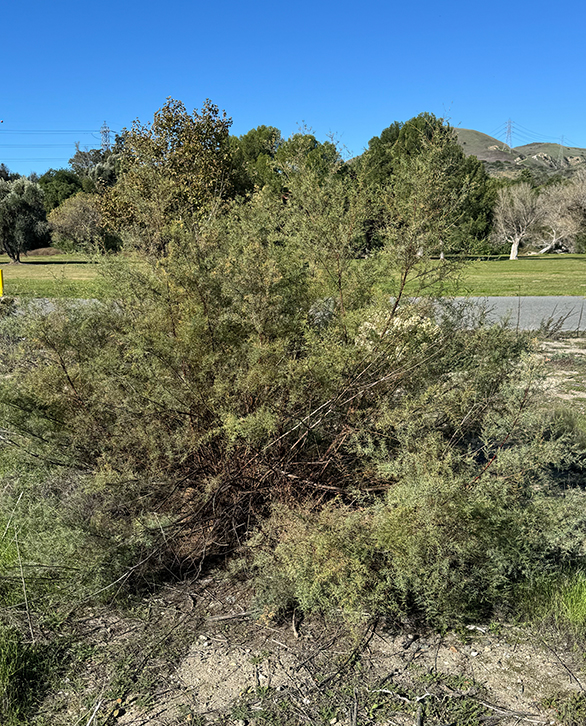
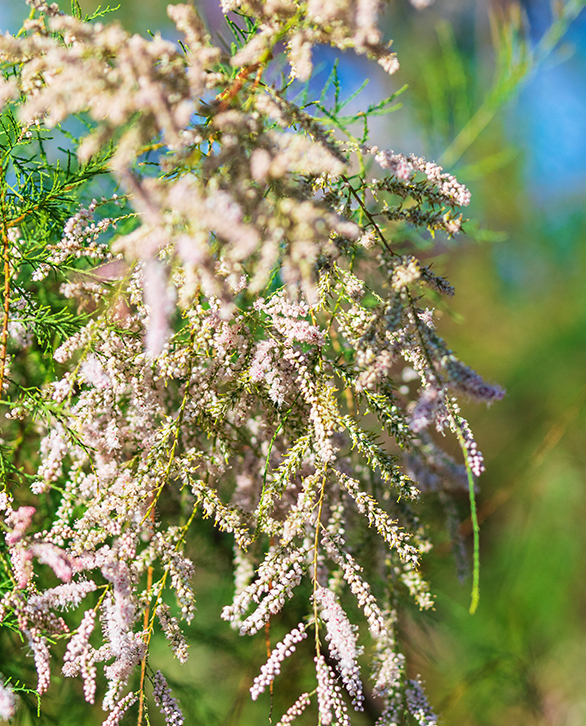
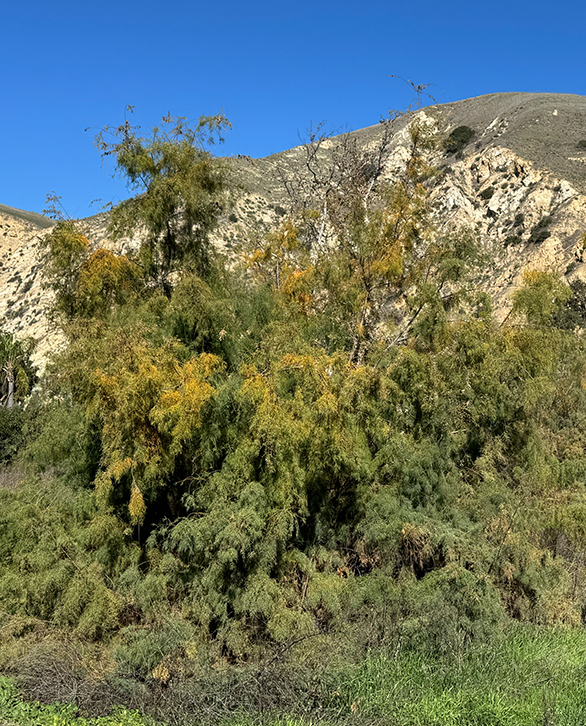
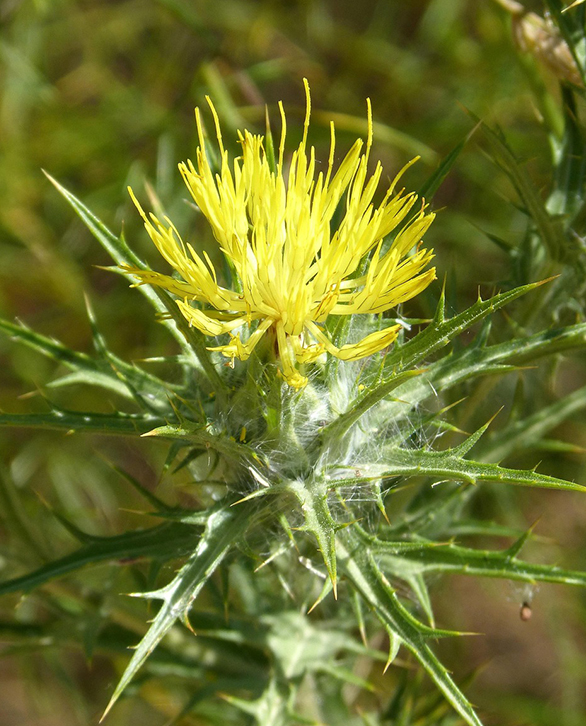
While not exhaustive, the list below contains the “dirty dozen” invasive species that we aggressively target in our restoration sites. Invasive plant species profile and management data are from the most current scientific research data available.[1]
The smart phone app Seek by iNaturalist can be a useful tool to help with in-field species identification. Observations of invasive species should be entered into Calflora so populations can be tracked. Cal-IPC works closely with Calflora to support invasive plant mapping in California, data which is added to CalWeedMapper. CalWeedMapper shows landscape-level distribution of invasive plants and suggests management priorities by region.